
Mission Statement
The Information Security Office is committed to lowering the risk profile of the University’s electronic information by implementing industry best practices to protect the confidentiality, integrity, and availability of student, faculty, and staff information. We uphold the University’s compliance obligations by developing information security policies, providing security awareness training, and overseeing the implementation of strategic information security initiatives.
Scam of the Week
Invoice Approved, Scam Confirmed
You're at work when an email arrives that appears to come from your CEO or another executive, asking you to pay an invoice. The email includes a forwarded annual subscription invoice with bank transfer instructions and an email conversation between the executive and the vendor. It seems real, so you may be inclined to pay it.
But this email is actually a phishing scam, and both the invoice and the forwarded conversation are fake! Cybercriminals target many organizations with these emails by impersonating both the executive and the vendor. Cybercriminals hope the email and invoice look real enough that you'll pay without stopping to think. But if you make this payment, the money goes to a bank account controlled by the cybercriminals!
Follow these tips to avoid this executive phishing scam:
- Confirm any payment request with the sender by phone or in person, using contact information you already know is real.
- Follow your organization's payment approval process for every invoice, no matter who appears to approve it.
- Report any unexpected email that asks for a large sum of money, no matter who sent it, by following your organization's procedures.
Time It Takes a Hacker to Brute Force Your Password in 2026
Hardware: 16 x RTX 5090 | Password Hash: bcrypt(10)
| Number of Characters | Numbers Only | Lowercase Letters | Upper and Lower Case Letters | Numbers, Upper and Lowercase Letters | Numbers, Upper and Lowercase Letters, Symbols |
|---|---|---|---|---|---|
| 4 | Instantly | Instantly | Instantly | Instantly | Instantly |
| 5 | Instantly | Instantly | 46 minutes | 2 hours | 3 hours |
| 6 | Instantly | 37 minutes | 2 days | 5 Days | 1 week |
| 7 | Instantly | 16 hours | 3 months | 10 Months | 2 years |
| 8 | Instantly | 2 weeks | 12 years | 50 years | 132 years |
| 9 | 2 hours | 1 year | 636 years | 3k years | 9k years |
| 10 | 20 hours | 32 years | 33k years | 191k years | 645k years |
| 11 | 1 week | 839 years | 1m years | 11m years | 45m years |
| 12 | 3 months | 21k years | 89m years | 737m years | 3bn years |
| 13 | 2 years | 567k years | 4bn years | 45bn years | 221bn years |
| 14 | 23 years | 14m years | 241bn years | 2tn years | 15tn years |
| 15 | 229 years | 383m years | 12tn years | 175tn years | 1qd years |
| 16 | 2k years | 9bn years | 653tn years | 10qd years | 75qd years |
| 17 | 22k years | 259bn years | 33qd years | 675qd years | 5qn years |
| 18 | 228k years | 6tn years | 1qn years | 41qn years | 372qn years |
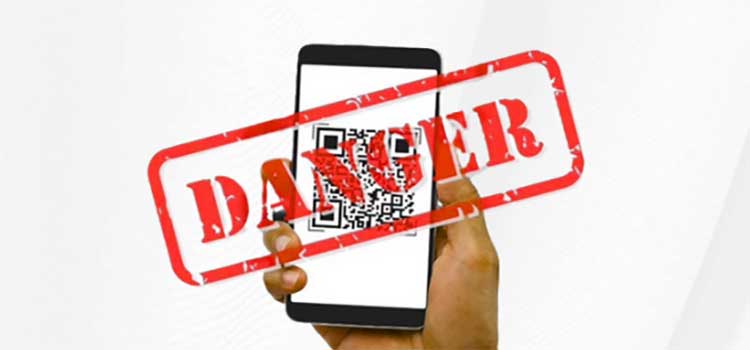 QR Code Phishing - 'Quishing'
 Phishing Click Rates Triple in 2024
 The Most Dangerous Pop Culture Passwords in 2024